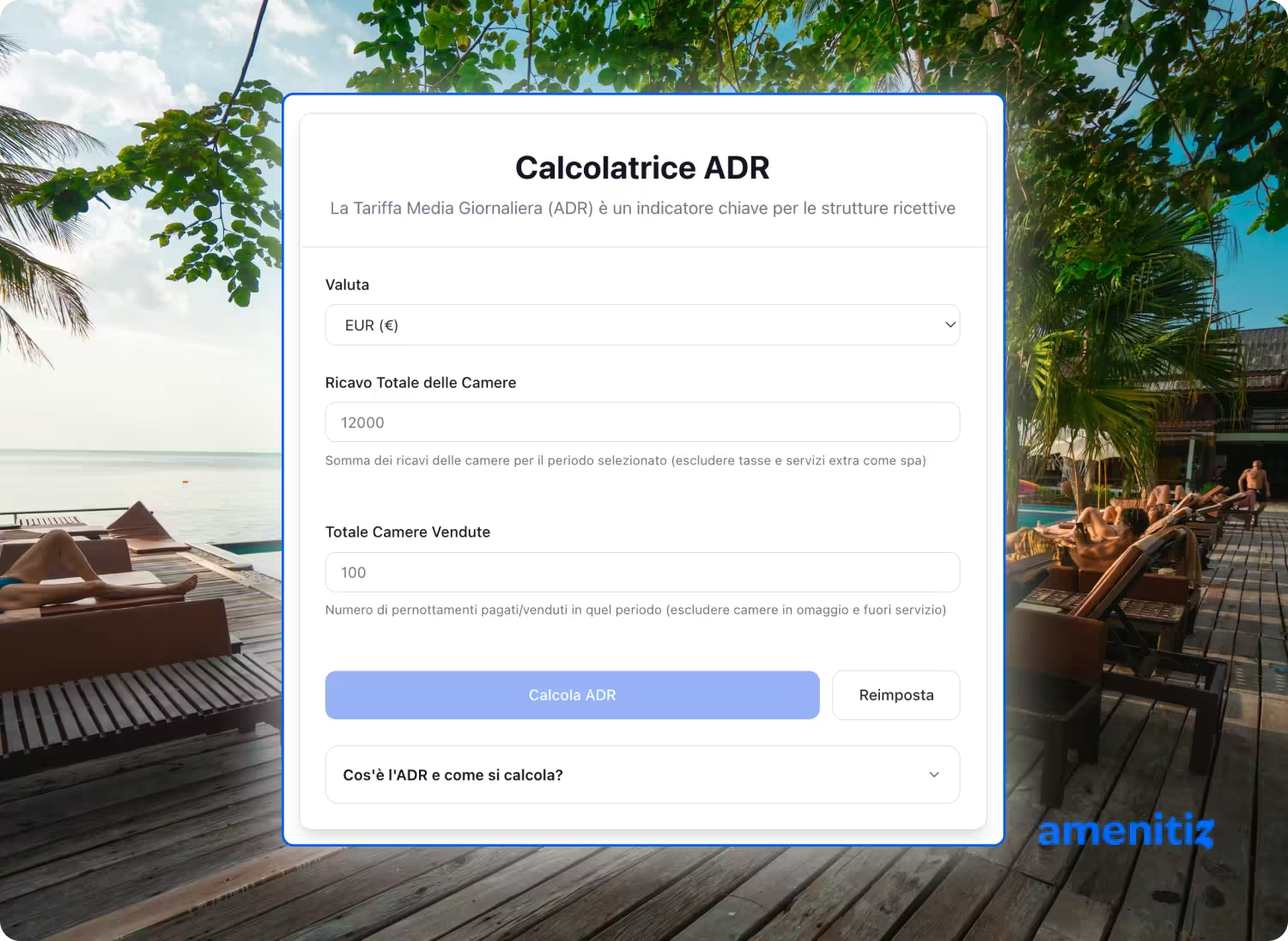

Calcolatrice ADR
La Tariffa Media Giornaliera (ADR) è un indicatore chiave per le strutture ricettive
L'ADR della tua struttura è:
ADRCos'è l'ADR e come si calcola?
L'ADR (Average Daily Rate o Tariffa Media Giornaliera) è un indicatore di performance fondamentale nell'hospitality. Mostra quanto ricavo hai generato per camera venduta in un periodo.
Formula: ADR = Ricavo Totale delle Camere ÷ Totale Camere Vendute
Esempio: Se hai generato 12.000 € di ricavo camere il mese scorso e hai venduto 100 pernottamenti, il tuo ADR è di 120 €.
ADR vs RevPAR: L'ADR non è la stessa cosa del RevPAR. Il RevPAR tiene anche conto del tuo tasso di occupazione su tutte le camere disponibili, non solo sulle camere vendute.
Come Calcolare la TMG per i Piccoli Hotel e Aumentare i Ricavi
Gestire un hotel indipendente è un equilibrio quotidiano tra offrire esperienze eccellenti agli ospiti e mantenere la redditività della propria attività. Tra la gestione delle prenotazioni, la pulizia delle camere e le risposte alle recensioni, è facile trascurare un dato che indica silenziosamente quanto funziona la vostra strategia tariffaria: la Tariffa Media Giornaliera (TMG).
Se desiderate prezzare le vostre camere in modo intelligente, monitorare le prestazioni e far crescere i ricavi in modo sostenibile, imparare a calcolare la TMG per i piccoli hotel è un ottimo punto di partenza.
Analizziamo cosa significa la TMG, come calcolarla facilmente e come utilizzarla per far crescere la vostra attività — senza perdere di vista ciò che conta di più: ospiti soddisfatti e margini sani.
Cos'è la TMG (Tariffa Media Giornaliera)?
In termini semplici, la vostra Tariffa Media Giornaliera indica quanto denaro generate per camera occupata per notte.
Considerate la TMG come il battito cardiaco della vostra struttura — mostra come sta performando la vostra strategia tariffaria in un determinato giorno.
Se la vostra TMG aumenta, di solito significa che la vostra tariffazione è solida e gli ospiti sono disposti a pagare un po' di più per il valore che offrite. Se diminuisce, potrebbe significare che state applicando troppi sconti, affrontate più concorrenza o state attraendo un tipo diverso di viaggiatore.
La TMG non tiene conto delle camere vuote — questo è il compito del tasso di occupazione. Ma insieme, TMG e tasso di occupazione forniscono un quadro chiaro delle prestazioni dei ricavi del vostro hotel.
Come Calcolare la TMG (con una Formula Semplice e un Esempio)
Ecco la formula di base utilizzata in tutto il settore dell'ospitalità:
TMG = Ricavi Totali delle Camere ÷ Numero di Camere Vendute
Esaminiamo un esempio:
Se il vostro hotel ha generato 3.000 € di ricavi dalle camere durante un fine settimana e avete venduto 20 camere, la vostra TMG sarebbe:
3.000 € ÷ 20 = 150 €
Ciò significa che, in media, ogni notte in camera ha generato 150 € di ricavi.
Se desiderate approfondire, potete anche calcolare la TMG per un periodo specifico — ad esempio, per settimana, per mese o per stagione. Questo vi aiuta a identificare tendenze come:
- TMG più elevata durante i fine settimana estivi
- TMG più bassa infrasettimanale o in bassa stagione
- Date di eventi speciali in cui potete aumentare le tariffe
Il monitoraggio di queste variazioni vi aiuta a prendere decisioni migliori riguardo alla tariffazione e alle promozioni.
Perché la TMG è Importante per gli Albergatori Indipendenti
Per gli albergatori indipendenti, la TMG è più di un semplice numero — è una bussola strategica.
Vi aiuta a rispondere a domande chiave come:
- Sto applicando tariffe sufficienti per le mie camere?
- I miei sconti stanno erodendo i profitti?
- Come si confronta la mia struttura con le altre nelle vicinanze?
Monitorando la TMG, potete valutare se le vostre tariffe riflettono veramente il valore che offrite.
Ecco perché la TMG è così potente per le piccole strutture:
- Guida la vostra strategia tariffaria. Se la vostra TMG è troppo bassa, potreste sottovalutare la vostra struttura. Se è troppo alta e il tasso di occupazione scende, potreste escludervi dal mercato con i vostri prezzi.
- Aiuta a misurare il successo del marketing. State lanciando una campagna o vi state iscrivendo su nuovi canali? Monitorate la TMG prima e dopo — è un ottimo modo per vedere se questi sforzi stanno attirando ospiti di maggior valore.
- Supporta la pianificazione a lungo termine. Le tendenze stagionali della TMG vi aiutano a decidere quando investire in miglioramenti, quando offrire promozioni e quando mantenere fermi i prezzi.
TMG vs RevPAR vs RMC: Qual è la Differenza?
Questi tre termini vengono spesso confusi — ma comprendere la differenza vi aiuta a prendere decisioni più intelligenti.
- TMG (Tariffa Media Giornaliera): Indica quanto guadagnate per camera occupata. Non include le camere non occupate.
- RevPAR (Ricavo per Camera Disponibile): Tiene conto del tasso di occupazione. Si calcola così:
RevPAR = TMG × Tasso di Occupazione
Quindi, se la vostra TMG è di 100 € e il vostro tasso di occupazione è dell'80%, il vostro RevPAR è di 80 € - RMC (Ricavo Medio per Camera): Spesso usato in modo intercambiabile con la TMG, sebbene in alcune regioni includa soggiorni di più notti o pacchetti.
Per la maggior parte dei piccoli hotel, TMG e RevPAR sono gli indicatori chiave da monitorare regolarmente. La TMG vi aiuta a comprendere la forza della vostra tariffazione, mentre il RevPAR vi fornisce un quadro completo delle prestazioni dei ricavi.
Come Migliorare la Vostra TMG Senza Perdere Ospiti
Aumentare la vostra TMG non significa semplicemente aumentare i prezzi. Si tratta di aumentare la percezione del valore in modo che gli ospiti siano felici di pagare un po' di più.
Ecco alcuni metodi pratici e collaudati per farlo:
1. Favorire le Prenotazioni Dirette
Ogni prenotazione che passa attraverso il vostro sito web evita le commissioni di terze parti. Strumenti come il Booking Engine di Amenitiz facilitano la prenotazione diretta degli ospiti, aiutandovi a trattenere più ricavi — e il controllo sulla vostra tariffazione.
2. Aggiungere Valore, Non Solo Prezzo Just Add Price
I piccoli dettagli fanno una grande differenza. Include vantaggi come la colazione, il check-in flessibile o il parcheggio gratuito per giustificare tariffe leggermente più elevate. Gli ospiti sono spesso felici di pagare un po' di più per comodità e comfort.
3. Segmentare la Tariffazione per Pubblico
Ospiti diversi apprezzano cose diverse.
- I viaggiatori d'affari potrebbero dare priorità alla flessibilità e al Wi-Fi.
- Le coppie potrebbero apprezzare servizi romantici o il check-out posticipato.
- Le famiglie potrebbero rispondere bene alle offerte combinate.
Utilizzate queste informazioni per creare offerte mirate che aumentino la vostra TMG senza spaventare i viaggiatori sensibili al prezzo.
4. Utilizzare Strumenti di Tariffazione Dinamica
Smettete di indovinare quali dovrebbero essere le vostre tariffe. I software di tariffazione dinamica — o gli strumenti di revenue management integrati in Amenitiz — vi aiutano ad adeguare i prezzi automaticamente in base alla domanda, alla stagionalità e agli eventi locali.
5. Concentrarsi sulle Recensioni e sulla Reputazione
Recensioni migliori significano un valore percepito più elevato, il che significa che potete aumentare le tariffe con fiducia. Incoraggiate gli ospiti soddisfatti a lasciare feedback e rispondete a tutte le recensioni per costruire fiducia.
6. Analizzare le Prestazioni dei Vostri Canali
Non tutti i canali OTA performano allo stesso modo. Alcuni potrebbero portare prenotazioni a tariffe più basse. Utilizzate il vostro PMS o sistema di prenotazione per monitorare la TMG per canale — quindi concentrate i vostri sforzi sui più redditizi.
Utilizzare la TMG per Costruire una Strategia dei Ricavi Più Intelligente
Una volta che iniziate a monitorare regolarmente la TMG, vedrete tendenze che rivelano dove si trovano le vostre vere opportunità.
Ad esempio:
- Se il vostro tasso di occupazione è elevato ma la TMG è bassa, potrebbe essere il momento di aumentare i prezzi.
- Se la TMG è solida ma il tasso di occupazione scende, potreste aver bisogno di una migliore distribuzione o partnership locali.
- Se entrambi sono bassi, è il momento di rivedere la vostra strategia di marketing e acquisizione clienti.
La chiave è non trattare la TMG in modo isolato. Combinatela con il tasso di occupazione, il RevPAR e i dati sulla soddisfazione degli ospiti per avere un quadro completo delle vostre prestazioni.
Con piattaforme come Amenitiz, potete monitorare tutti questi indicatori in un unico posto, ottenere informazioni in tempo reale e prendere decisioni tariffarie che bilanciano redditività e soddisfazione degli ospiti.
Conclusione: Trasformate la Vostra TMG in un Motore di Crescita
Sapere come calcolare la TMG per i piccoli hotel è più di un esercizio matematico — è un cambiamento di mentalità.
Significa comprendere i vostri numeri, valorizzare correttamente la vostra struttura e utilizzare i dati per prendere decisioni più intelligenti ogni giorno.
Monitorando la TMG e combinandola con strumenti che semplificano la gestione dei ricavi, costruirete un'attività non solo più redditizia, ma anche più prevedibile.
Se siete pronti a eliminare le congetture dalla vostra tariffazione e a liberare il pieno potenziale della vostra struttura, scoprite come Amenitiz può aiutarvi a gestire tutto — dalle prenotazioni ai ricavi — su un'unica piattaforma intuitiva.
Domande frequenti sulla Calcolatrice della Tariffa Media Giornaliera (ADR)
Cos'è l'ADR (Average Daily Rate o Tariffa Media Giornaliera) e perché è importante per il mio hotel?
Come utilizzo il Calcolatore ADR per analizzare le prestazioni del mio hotel?
Qual è un buon benchmark di ADR per la mia struttura e come varia in base al segmento di mercato?
Come posso aumentare il mio ADR senza impattare negativamente i tassi di occupazione?
Quali altri KPI dovrei monitorare insieme all'ADR per avere una visione completa delle prestazioni del mio hotel?