
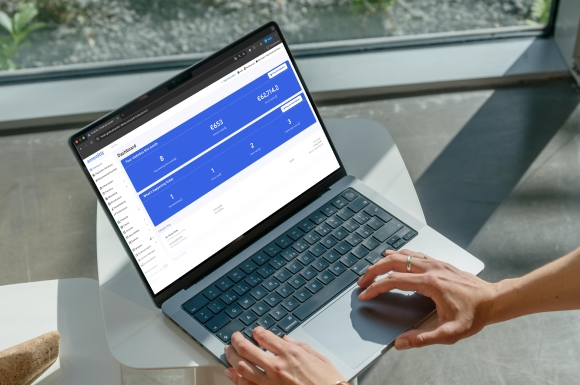

Discover how Amenitiz's all-in-one property management software can transform your hotel operations. Book a free demo today and see the difference.
A property management software is a digital platform that centralizes hotel operations in one single place. It automates reservations, guest data, room inventory, billing, and housekeeping from one easy-to-use interface. For independent hotels across Europe, this technology transforms manual processes into efficient workflows that save time and increase revenue.
Property Management Software Definition
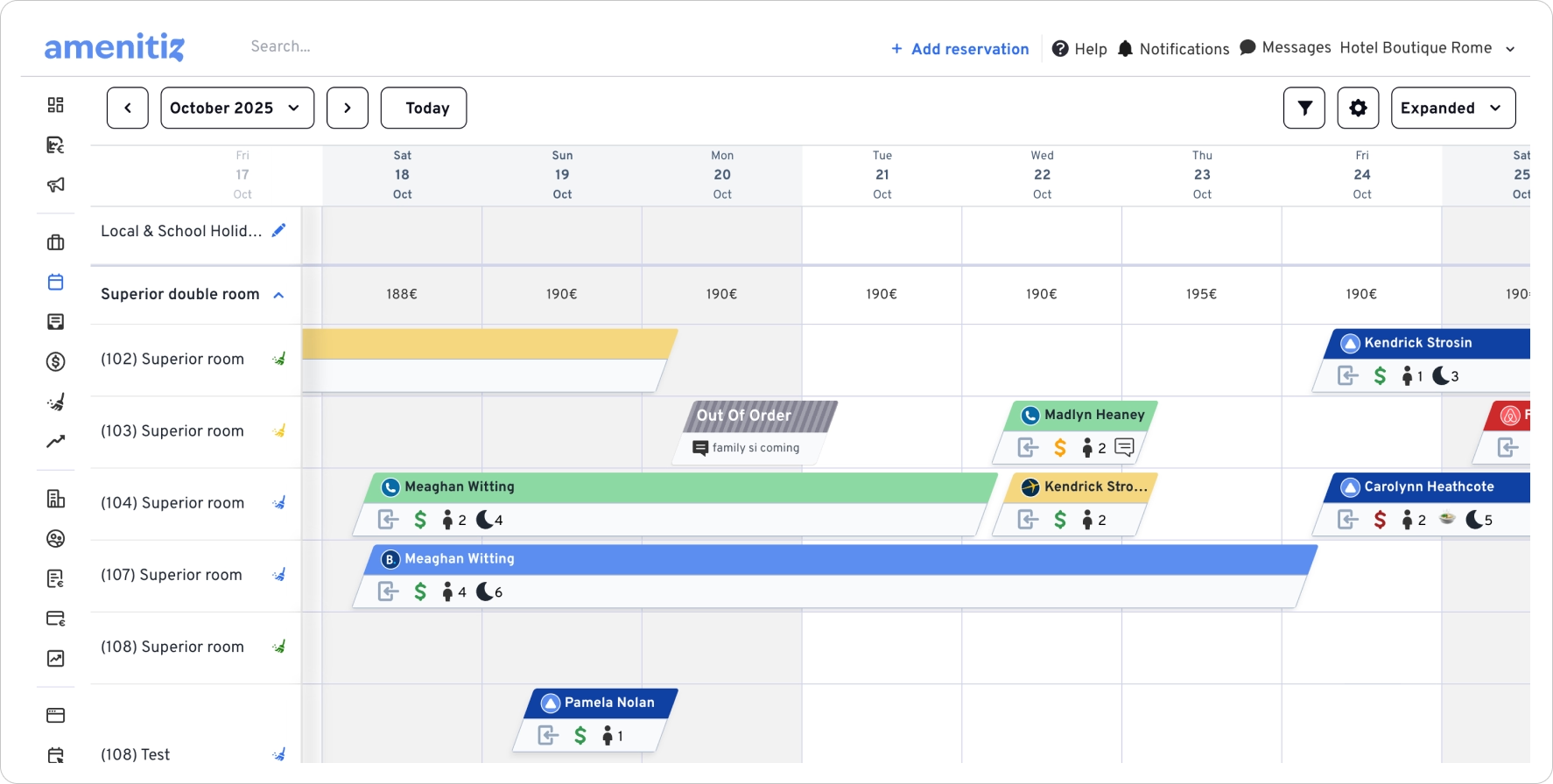
Property management software (PMS) is hotel management technology that centralizes operational tasks. A hotel PMS system integrates reservation management, guest communication, channel distribution, and financial reporting into one platform.
The hospitality industry uses PMS systems differently than real estate sectors. Hotel PMS focuses on transient guests and daily operations. Landlord software manages long-term tenants and commercial property leases. This article covers property management software for hotels, not tenant management systems.
What does property management software do?
A PMS system handles core hotel operations:
Reservation management
- Processes bookings from all channels (direct, OTAs, phone)
- Syncs availability across Booking.com, Expedia, Airbnb
- Prevents double bookings automatically
- Updates rates in real-time
Guest data management
- Stores guest profiles and preferences
- Tracks booking history
- Manages communication records
- Enables personalized service
Operations control
- Assigns rooms and manages housekeeping
- Coordinates front desk and maintenance
- Processes check-ins and check-outs
- Generates invoices and payments
Reporting and analytics
- Tracks occupancy rates and RevPAR
- Analyzes channel performance
- Forecasts demand patterns
- Monitors financial metrics
| Feature | Hotel PMS | Landlord Software |
|---|---|---|
| Primary Use | Hospitality Transient guest bookings | Real Estate Long-term tenant leases |
| Booking Cycle | Daily/weekly | Monthly/yearly |
| Channel Integration | OTAs, booking engines | Rental listing sites |
| Key Functions | Check-in, housekeeping, rates | Rent collection, maintenance |
| Payment Processing | Per-stay transactions | Monthly rent payments |
| Ideal For | Independent hotels and hotel groups | Rental properties, commercial buildings |
Types of property management software
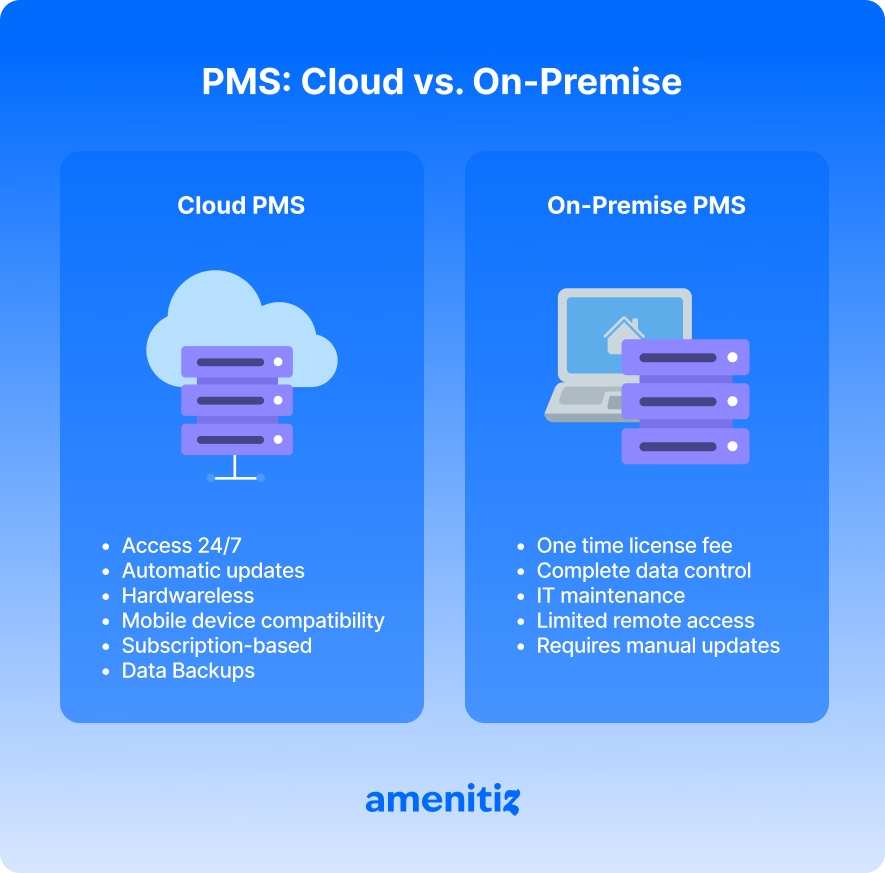
Cloud-based PMS
Cloud-based systems dominate the hotel management market in 2026.
Key features:
- Access from anywhere with internet
- Automatic software updates
- No hardware installation required
- Mobile device compatibility
- Subscription-based pricing
- Built-in data backup
Best for: Independent hotels, multi-property managers, remote operations
On-premise PMS
Traditional systems installed on local servers.
Key features:
- One-time licensing fees
- Complete data control on-site
- Requires IT maintenance
- Limited remote access
- Manual updates needed
Best for: Large hotel chains with dedicated IT teams, properties with specific security requirements
How much does property management software cost?
Property management software pricing varies by deployment model and features.
| PMS Type | Cost Range | Payment Model | Best For |
|---|---|---|---|
| Cloud-Based | €50-€200 per month | Subscription | Small independent hotels |
| Mid-Range Cloud Most Popular | €200-€500 per month | Subscription | Hotels (30-50 rooms) |
| Enterprise Cloud | €500-€2,000+ per month | Subscription | Large properties (50+ rooms) |
| On-Premise | €5,000-€50,000+ one-time | One-time + maintenance | Hotel chains with IT resources |
Additional Cost Factors:
- Number of rooms
- Integration requirements
- Payment processing fees
- Training and support
- Implementation services
Most independent hotels achieve ROI within 6-12 months through time savings and revenue optimization.
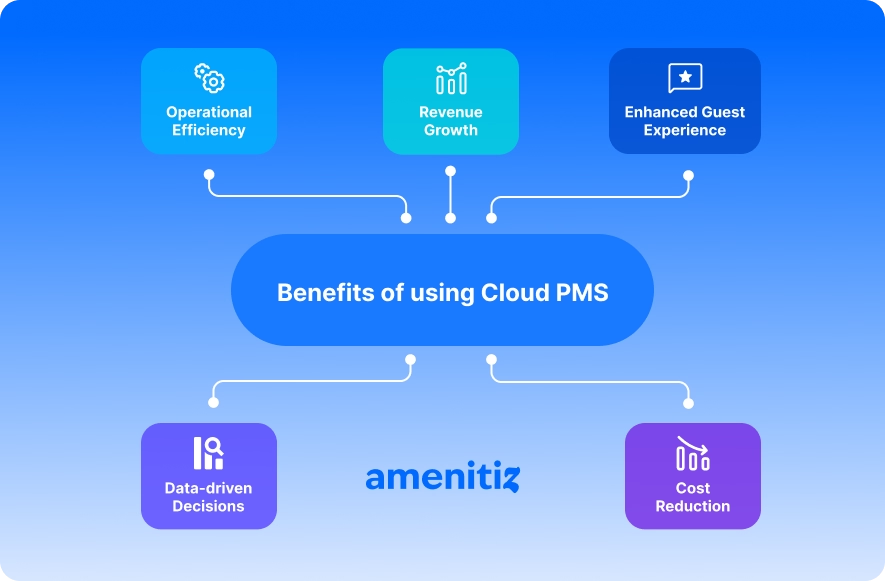
Benefits of property management software
1. Operational efficiency
PMS systems eliminate manual tasks. Independent hotels save 15-20 hours weekly on administrative work. Automated workflows reduce errors and speed up processes.
Time savings:
- Instant channel updates (no manual entry)
- Automated guest confirmations
- Digital check-in/check-out
- Paperless record keeping
2. Revenue growth
Hotels using PMS with revenue management tools increase RevPAR by 10-15%. Dynamic pricing adjusts rates based on demand, seasonality, and local events.
Revenue benefits:
- Optimized pricing strategies
- Channel performance tracking
- Upselling opportunities
- Commission reduction on direct bookings
3. Enhanced guest experience
Modern travelers expect seamless digital interactions. Property management software delivers:
- Faster check-in processes
- Personalized service from guest history
- Automated pre-arrival communication
- Self-service booking management
- Consistent experience across channels
4. Data-driven decisions
Real-time dashboards provide visibility into hotel performance. Property managers access occupancy trends, booking patterns, and financial metrics instantly.
5. Cost reduction
Cloud-based PMS eliminates expensive IT infrastructure. One integrated platform replaces multiple disconnected tools. Staff focus on guest service instead of manual data entry.
Who uses property management software?
1. Independent hotels
Small boutique properties compete with chains using affordable PMS technology. Automation handles operations with limited staff.
2. Boutique hotels
Owner-operators manage reservations professionally. Direct booking capabilities reduce OTA commissions.
3. Hotel groups (2-10 properties)
Multi-property managers centralize operations. One platform provides consistent guest experiences across locations.
4. Seasonal and resort hotels
Lean teams handle peak periods efficiently. Automated communication and channel distribution save time.
What is the best property management software?
The best property management software matches your specific operational needs.
Essential PMS features
Must-have capabilities:
- Multi-channel distribution
- Channel manager integration
- Cloud-based access
- Mobile compatibility
- Automated rate updates
- Payment processing
- Comprehensive reporting
- GDPR compliance (Europe)
Evaluation criteria:
- User-friendly interface
- Implementation time
- Customer support quality
- Integration ecosystem
- Pricing transparency
- Scalability options
Top-rated PMS software for 2026
According to G2, Capterra, and Hotel Tech Report, leading hotel PMS platforms include:
- Amenitiz: All-in-one platform for independent hotels (PMS + booking engine + channel manager)
- Cloudbeds: Comprehensive property management suite
- Mews: Modern cloud-based hospitality system
- Little Hotelier: Solutions for small properties
Selection depends on property size, budget, technical requirements, and integration needs. For detailed evaluation guidance, review our Property Management Software: The Ultimate Guide.
PMS integration ecosystem
Modern software for managing property operations connects with essential hotel technologies:
Key integrations
Distribution:
- Channel manager: Syncs inventory across 120+ OTAs
- Booking engine: Powers direct website reservations
Financial:
- Payment processing: Secure transaction handling like AmenitizPay
- Accounting software integration
Marketing:
- Website builder: Connected hotel websites
- Marketing tools for hotels: Automated marketing campaigns to boost your hotel's visibility, like Amenitiz Boost.
- Review management platforms
Revenue Management:
- Dynamic pricing tools: Dynamic pricing rate optimization based on your competitors, seasonality, location, special events and other factors.
- Business intelligence dashboards
Integration capabilities rank among the top factors hoteliers consider when selecting management software for property operations, according to Capterra research.
How is the property management software market growing?
The global PMS market demonstrates strong expansion driven by digital transformation in hospitality.
Market statistics in 2026
- Market size: $2.5 billion (2026 projection)
- Growth rate: 12.3% CAGR
- Cloud adoption: 78% of hotels prioritize cloud-based systems
- European market: Fastest-growing adoption among independent hotels
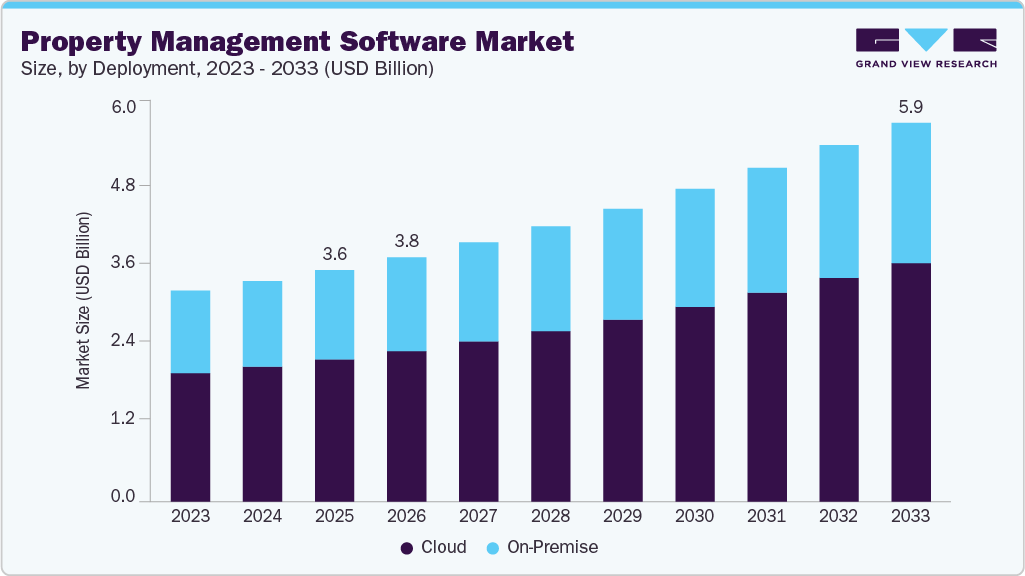
Source: Grand View Research
This growth reflects recognition that management property software is essential for competitiveness. Independent hoteliers need modern systems to match chain hotel capabilities.
Getting started with property management software
Implementation steps
- Assess requirements: Identify operational needs and must-have features
- Research options: Compare PMS platforms and pricing models
- Request demos: Test user interfaces and workflows
- Plan migration: Schedule data transfer from existing systems
- Train staff: Ensure team members understand new processes
- Go live: Launch with support from PMS provider
Proper planning reduces implementation risks. Most hotels complete PMS migration within 2-4 weeks.
Software development considerations
Modern PMS platforms use API-first architecture. This approach enables seamless data flow between hotel management systems and third-party applications. Cloud-based software development delivers continuous improvements without manual updates.
For independent hotels, integrated platforms combining property management software, booking engine, channel management, and hotel marketing solutions offer simpler operations than managing separate systems.