


Discover how Amenitiz's all-in-one Property Management Software can transform your hotel operations. Book a free demo today and see the difference.
Running an independent hotel in today's competitive hospitality landscape requires more than just great service: it demands efficient technology.
Property management software has become the backbone of modern hotel operations, helping independent hotels streamline everything; from reservations to housekeeping, payments to guest communications.
Either if you're managing a boutique bed and breakfast or a small hotel chain, understanding how hotel property management software works is essential for staying competitive and maximizing revenue.
In this comprehensive guide, we'll explore everything you need to know about cutting-edge management software for property, from core features and benefits to implementation strategies and best practices.
By the end, you'll have a clear roadmap for choosing and implementing the best property management software for your independent hotel.
Related read: What Is A Property Management Software: Definition & Benefits
Differently from other generic business software, a PMS property management system is specifically built for the hospitality industry, understanding the unique workflow of hotel operations.
This modern PMS software connects your front desk, housekeeping, maintenance teams, and guest-facing systems into one cohesive technology ecosystem.
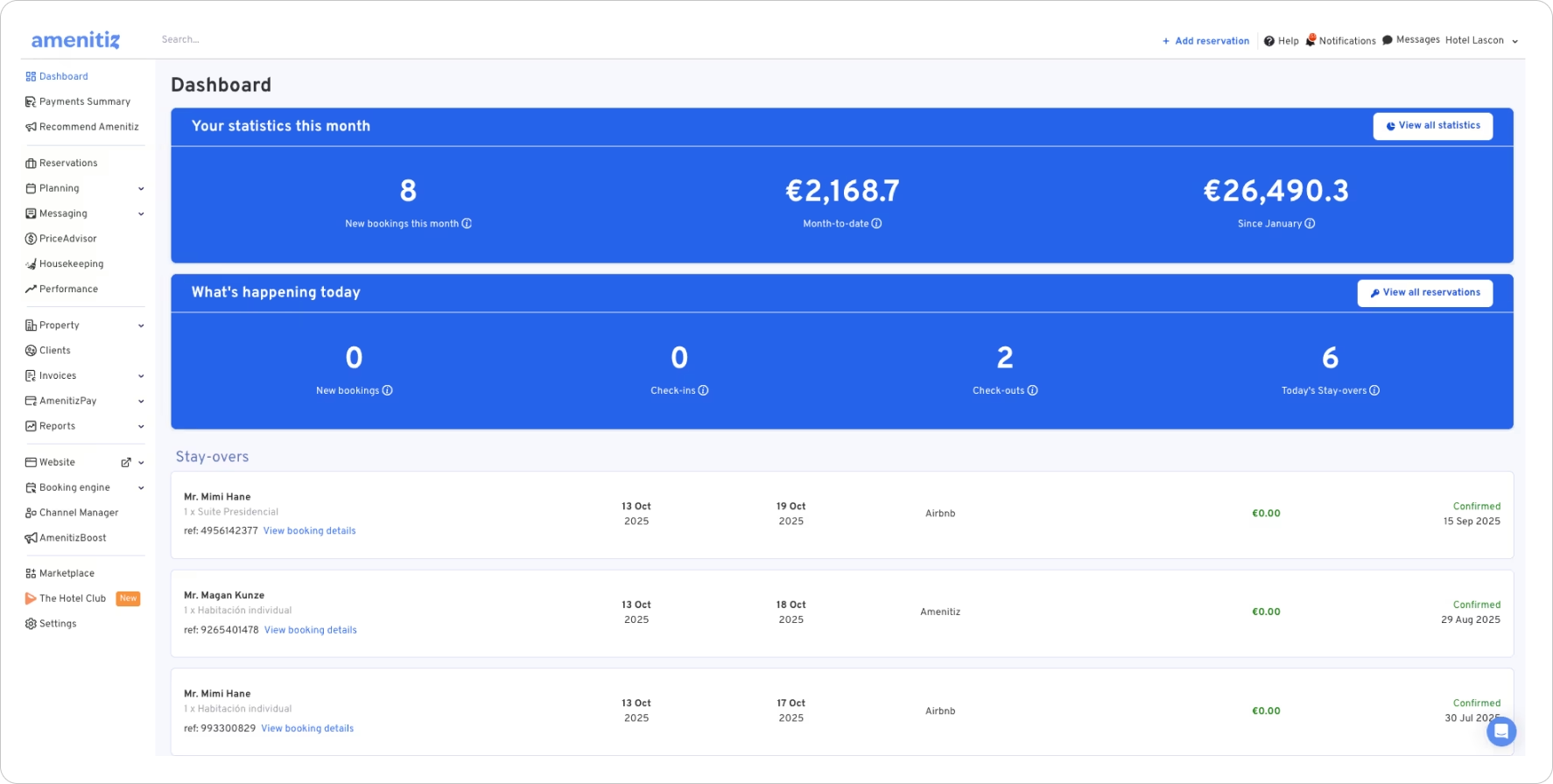
The Evolution from Desktop to Cloud
Traditionally, from 1995 to 2005, all kinds of software for managing property that existed required expensive desktop installations and manual updates.
Later in the 2010 - 2015's, cloud-based property management software like Amenitiz began operating entirely online, accessible from any device with an internet connection.
This shift has been transformative for small business owners and independent hotels, eliminating hefty upfront costs and IT maintenance burdens.
The modern management software for property now includes mobile apps, allowing hotel owners and managers to oversee operations remotely, whether you're checking in guests from your phone or reviewing reports from home.
Key Features of Hotel Property Management Software
1. Reservation Management & Booking Engine
The heart of any hotel property management software is its reservation system. This manages your room inventory across all distribution channels: your website, online travel agencies (OTAs), and direct bookings.
A robust PMS for hotels prevents overbookings, synchronizes availability in real-time, and provides a centralized calendar view of all your hotel's reservations.
According to Hotel Tech Report, properties using integrated PMS solutions see up to 40% fewer booking errors compared to manual systems.
2. Channel Manager Integration
Your software for property management should connect seamlessly with major OTAs like Booking.com, Expedia, and Airbnb. This two-way synchronization ensures that when a room is booked on one platform, availability updates across all channels instantly; preventing double bookings and reducing manual data entry.
3. Front Desk Operations
Modern management property software like Amenitiz streamlines check-in and check-out processes with guest registration, ID scanning, payment processing, and digital signature capture. The interface provides front desk staff with instant access to guest preferences, special requests, and booking history.
4. Housekeeping & Maintenance Management
Efficient PMS includes housekeeping tracking features that assign rooms, monitor cleaning status, and alert maintenance teams to repairs. This workflow automation ensures rooms are ready for guests and maintenance issues are addressed promptly.
5. Guest Communication & CRM
Your property management software should include communication tools for automated emails, booking confirmations, pre-arrival messages, and post-stay follow-ups. A built-in CRM helps you track guest preferences, special occasions, and booking patterns to personalize future stays.
6. Payment Processing
Integrated payment processing like AmenitizPay within your hotel PMS allows you to accept deposits, process payments, handle refunds, and manage invoicing; all without switching between systems. This reduces errors and speeds up financial reconciliation.
7. Reporting & Analytics
Comprehensive reporting transforms your PMS into a strategic asset. Track occupancy rates, average daily rate (ADR), revenue per available room (RevPAR), channel performance, and guest demographics. These insights help independent hotels make data-driven decisions about pricing, marketing, and operations.
Key Benefits for Independent Hotels
1. Operational Efficiency & Time Savings
Manual processes consume valuable time that could be spent improving guest experiences. Best property management software automates repetitive tasks like sending confirmation emails, updating availability, generating invoices, and producing reports. Independent hotel owners report saving 15-20 hours per week after implementing a PMS like Amenitiz.
2. Revenue Optimization
Real estate property management software (when applied to hospitality) helps maximize revenue through dynamic pricing suggestions, occupancy forecasting, and distribution channel analysis. By understanding which channels bring the most profitable bookings, you can optimize your marketing spend and commission costs.
3. Reduced Errors & Double Bookings
Manual booking systems are prone to human error. A centralized hotel PMS eliminates double bookings by synchronizing inventory across all platforms in real-time. This protects your reputation and prevents costly compensation claims.
4. Enhanced Guest Experience
With instant access to guest preferences, booking history, and special requests, your staff can deliver personalized service that turns first-time visitors into loyal customers. Automated communications ensure guests feel valued from booking through post-checkout.
5. Scalability for Growth
Whether you manage one property or planning to expand, the right property management software grows with your business. Cloud-based systems allow you to add properties, users, and features without expensive hardware upgrades or IT consultations.
Cloud-Based vs On-Premise Solutions

1. Cloud-Based Property Management Software
A modern software for property management operates in the cloud, offering several advantages for independent hotels:
- Accessibility: Access your system from anywhere using desktop, tablet, or mobile devices
- Automatic Updates: New features and security patches deploy automatically with no downtime
- Lower Upfront Costs: Subscription-based pricing eliminates large capital expenditures
- Scalability: Add rooms, properties, or users instantly without hardware limitations
- Data Security: Professional-grade backup and disaster recovery included
- Mobile Compatibility: Manage operations on-the-go with native Windows, iOS, and Android apps
According to Capterra's research, 78% of independent hotels now prefer cloud-based systems over on-premise installations.
2. On-Premise Systems
Traditional desktop-installed management software for property still exists, but requires:
- Significant upfront hardware investment
- In-house IT support for maintenance and updates
- Limited remote access capabilities
- Manual data backup procedures
- Higher total cost of ownership over time
For most independent hotels, cloud-based solutions offer better value and flexibility.
Essential Features to Look For
When evaluating property management system options, independent hotels should prioritize:
1. User-Friendly Interface
Your staff will use the system daily—intuitive design reduces training time and operational errors.
2. Channel Manager
A Channel Manager that integrates direct connections to major OTAs and booking platforms are non-negotiable for distribution efficiency.
3. Integrated Booking Engine
Your website should capture direct bookings without commission fees with an integrated Booking Engine, powered by the same technology managing your other channels.
Related read: Hotel PMS vs. Hotel Booking Engine: What's The Difference?
4. Payment Gateway Integration
Accept credit cards, digital wallets, and bank transfers directly within the same software with our payment solution AmenitizPay.
5. Multi-Property Management
Even if you start with one property, choose a software property management solution that can grow with your ambitions.
6. Mobile Functionality
Manage check-ins, view reservations, and monitor operations from your smartphone or tablet.
7. Robust Reporting
Track key performance indicators like occupancy, ADR, RevPAR, and channel performance.
8. Guest Communication Tools
Automated emails, SMS capabilities, and guest portals enhance the guest experience.
9. Housekeeping Management
Real-time room status updates and task assignment streamline operations.
10. API and Integration Capabilities
Your PMS should connect with other technology in your stack—accounting software, door locks, point-of-sale systems, and more.
Related read: 10 Essential PMS Features for Independent Hotels
How to Choose the Right PMS for Your Hotel
1. Assess Your Operational Needs
Start by mapping your current workflow. What tasks consume the most time? Where do errors occur most frequently? Which processes frustrate staff or guests? Your management property software should solve your specific pain points.
2. Consider Your Property Type
A 5-room bed and breakfast has different needs than a 50-room hotel. Look for software for managing property designed for your accommodation type and size.
3. Evaluate Integration Requirements
List all technology you currently use—booking engines, channel managers, accounting software, door locks, payment processors. Ensure your chosen property manage software integrates with these systems or provides equivalent functionality.
4. Calculate Total Cost of Ownership
Compare not just subscription fees but also:
- Setup and implementation costs
- Training expenses
- Integration fees
- Payment processing rates
- Support and maintenance costs
5. Request Demos and Free Trials
Never commit without testing the system. Request demos from multiple vendors and involve your staff in the evaluation process.
6. Check Reviews and References
Platforms like G2 and Hotel Tech Report provide verified reviews from actual hotel operators. Pay special attention to feedback from properties similar to yours.
7. Evaluate Customer Support
System downtime or technical issues can cost bookings and revenue. Choose a vendor offering responsive support in your timezone with multiple contact methods (phone, email, chat).
8. Review Contract Terms
Understand commitment periods, cancellation policies, data ownership rights, and migration assistance if you decide to switch systems.
Implementation Best Practices
Pre-Implementation Planning
Before launching your new hotel property management system, create a detailed implementation plan:
- Data Migration: Clean and organize existing guest data, reservations, and financial records
- Staff Training: Schedule comprehensive training sessions for all team members
- Integration Testing: Verify all third-party connections work properly
- Go-Live Strategy: Choose a low-occupancy period for the transition
Training Your Team
Successful adoption depends on user confidence. Provide:
- Role-specific training sessions
- Written documentation and video tutorials
- Hands-on practice in a test environment
- Ongoing support during the first weeks
Data Migration
Work with your vendor to migrate historical data carefully. Test thoroughly before going live to ensure:
- Guest profiles transferred correctly
- Existing reservations loaded properly
- Financial data reconciled accurately
- Integration connections functioning
Testing Phase
Run parallel systems for a brief period, comparing results to verify accuracy before fully transitioning.
Common Mistakes to Avoid
1. Choosing Based on Price Alone
The cheapest software for property management often lacks essential features or reliable support. Focus on value and return on investment rather than minimum cost.
2. Inadequate Training
Rushing implementation without proper staff training leads to errors, frustrated employees, and underutilization of system capabilities.
3. Ignoring Integration Needs
A PMS that doesn't connect with your existing technology creates data silos and manual workarounds that negate efficiency gains.
4. Overlooking Mobile Functionality
In today's mobile world, hotel owners and staff need access to the system from anywhere. Don't compromise on mobile capabilities.
5. Neglecting Data Security
Guest data protection is critical. Ensure your chosen property management system complies with GDPR, PCI-DSS, and other relevant data protection regulations.
Security & Data Protection
Independent hotels handle sensitive guest information—credit card details, personal identification, contact information, and booking histories. Your PMS property management system must prioritize security:
Essential Security Features
- SSL Encryption: All data transmission encrypted using industry-standard protocols
- PCI-DSS Compliance: Payment processing meets Payment Card Industry standards
- GDPR Compliance: Guest data handling follows European privacy regulations
- Regular Backups: Automatic daily backups with disaster recovery capabilities
- User Permissions: Role-based access controls limiting data access to authorized staff
- Audit Trails: Complete tracking of system access and data modifications
- Two-Factor Authentication: Additional security layer for system access
According to the UK Information Commissioner's Office, hospitality businesses face significant penalties for data breaches, making security a critical consideration when selecting software property management.
Mobile PMS: Managing On-the-Go
Modern independent hotel owners need operational visibility beyond the front desk. Mobile property management software enables:
- Remote Check-ins: Process guest arrivals from anywhere in the property
- Real-Time Reporting: Monitor occupancy and revenue from your smartphone
- Housekeeping Updates: Track cleaning status and reassign tasks instantly
- Guest Communications: Respond to inquiries and special requests immediately
- Booking Management: Make modifications and process cancellations remotely
A study by VisitBritain found that 67% of independent hoteliers consider mobile accessibility a critical feature when selecting technology solutions.
Future Trends in Hotel Property Management
Artificial Intelligence & Automation
Next-generation hotel property management system platforms incorporate AI for:
- Dynamic pricing based on demand forecasting
- Automated guest communication and chatbots
- Predictive maintenance alerts
- Personalized upselling recommendations
Contactless Technology
Post-pandemic travelers expect contactless experiences. Modern management software for property now includes:
- Mobile check-in and digital room keys
- Contactless payment options
- Virtual concierge services
- Digital guest directories
Revenue Management Integration
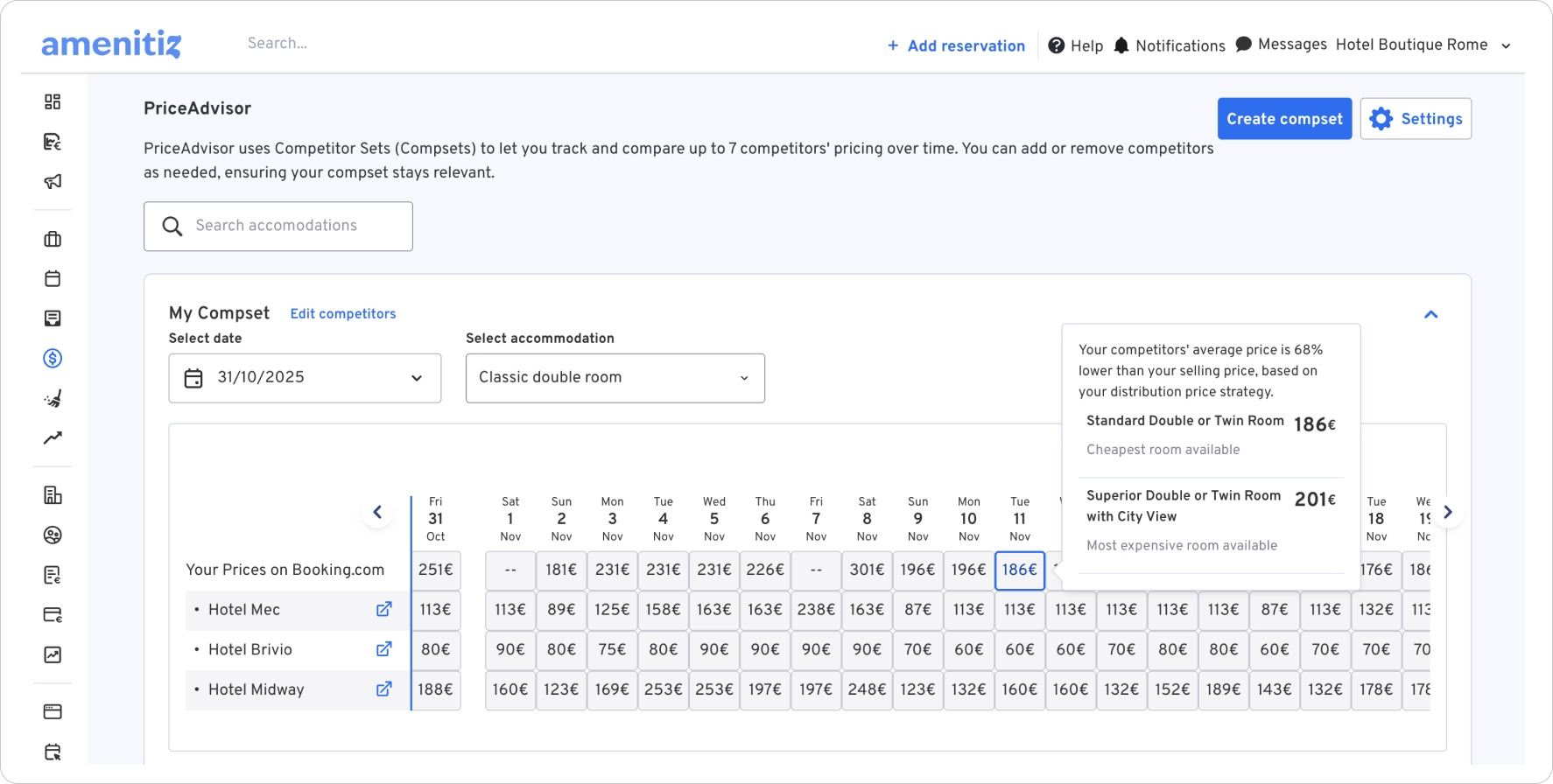
Advanced property software management solutions like Amenitiz PriceAdvisor now include sophisticated revenue management tools previously available only to large hotel chains, helping independent hotels compete more effectively.
Sustainability Tracking
Environmental consciousness drives technology evolution. New PMS features help hotels track and reduce their environmental impact through energy monitoring, waste management, and resource optimization.
Ready to transform your hotel operations?
Amenitiz's all-in-one PMS solution is designed specifically for independent hoteliers like you.
Schedule your free demo and discover how we can help you increase efficiency, boost revenue, and delight your guests.