

As every hotelier knows, room bookings aren't steady throughout the year.
Occupancy rates fluctuate dramatically during specific periods that vary according to seasonality, local events, and other influential factors, making low season one of the most challenging obstacles independent hoteliers must navigate.
According to the European Commission, July and August alone accounted for 31% of all annual nights spent in EU tourist accommodation during 2024.
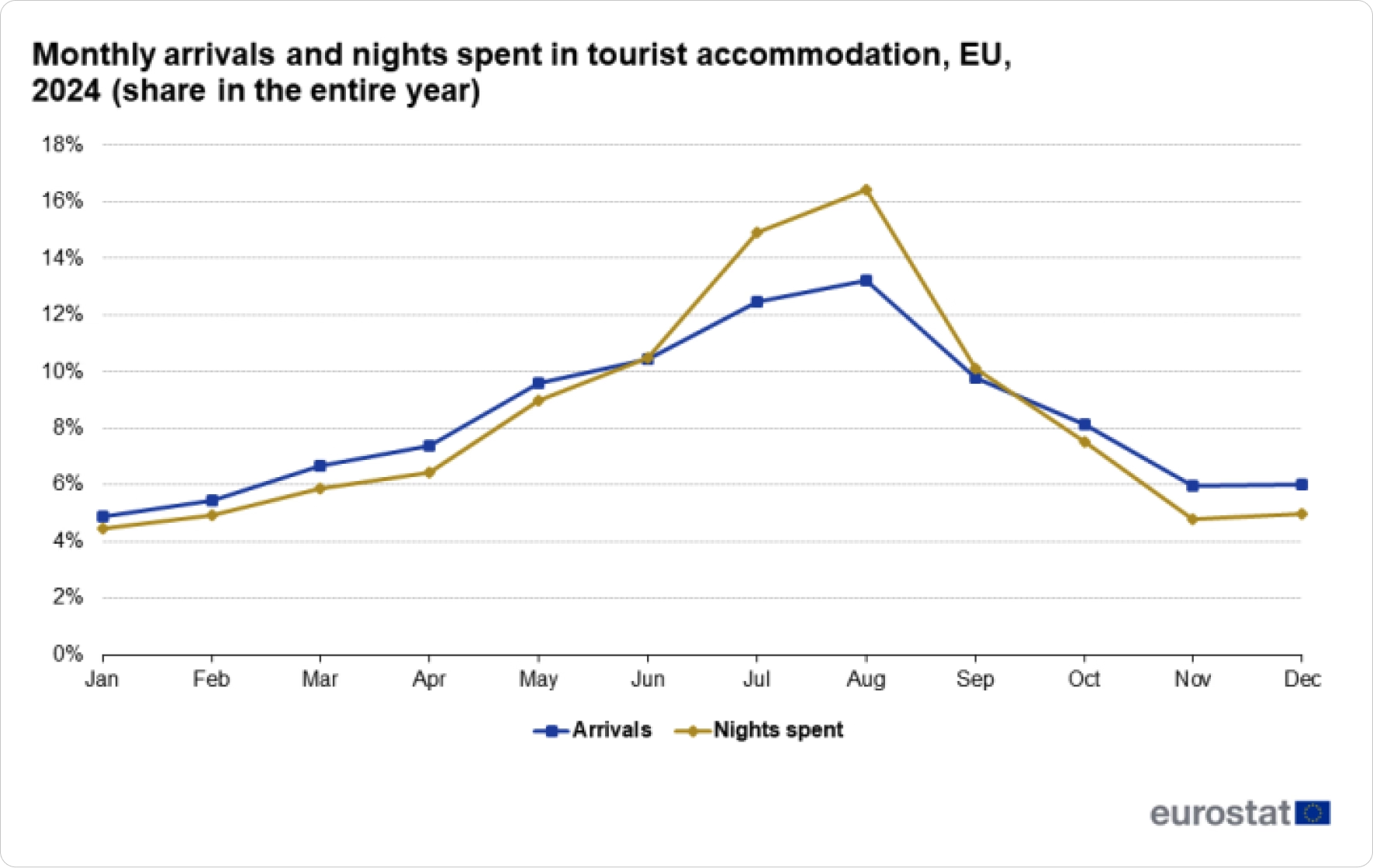
Source: Eurostat
At Amenitiz, we understand the significance of this challenge. We've prepared a comprehensive WhitePaper to inspire hotel owners like you with actionable strategies to execute during low season and maximise your hotel's occupancy rate.
This article summarises Chapter 6 of our new WhitePaper: “The Independent Hotel Success Guide”.
During the article, we will cover the following topics:
- Who Travels During Low Season (And Why)
- Pricing Strategies That Work
- Strategic Partnerships for Low Season
- Marketing Low Season Differently
Let's dive in.
Who Travels During Low Season (And Why)
The number of travellers seeking hotels during low season remains substantial. The key lies in identifying who they are and understanding what motivates them to travel during these quieter months.
Types of low season travelers to be aware of:
1. Remote Workers
Remote workers represent an attractive demographic that typically books longer stays. Following Covid-19 and the rise of technology companies offering flexible work arrangements, this traveller type has become increasingly common.
These professionals have the freedom to work from anywhere, so it's no surprise to find them travelling during off-season periods across Europe and worldwide.

To attract them, prioritise high-speed Wi-Fi, proximity to co-working spaces, dedicated work areas within your hotel facilities, and discounts for weekly or fortnightly bookings.
2. Senior Travelers
This demographic offers excellent potential. Senior travellers enjoy flexible schedules throughout the year and are far more likely to travel off-season than other age groups.
Their more relaxed pace makes them valuable guests who appreciate longer stays, guided tours, included meals such as breakfast or lunch, and they often represent better value compared to younger, budget-conscious tourists.

Consider offering age-based discounts (60+) and emphasise comfort, accessibility, and convenient amenities to attract this market.
3. Small Groups
Small groups present another compelling opportunity for your property.
They might be seeking yoga retreats, writing workshops, photography expeditions, or even corporate team-building activities near your hotel.

Attract their attention by highlighting multiple available rooms for group bookings on your website, emphasising your quiet location, and showcasing communal spaces suitable for group activities.
4. Couples Without Children
This traveller type deliberately avoids school holidays.
They typically seek peaceful, quiet destinations, off-season pricing, and less crowded tourist attractions and restaurants.

Generate interest amongst these guests by offering romantic escape packages, combined museum and accommodation packages, dinner and room packages, and similar curated experiences.
Pricing Strategies That Work
Strategy 1: Weekly Rates
Offer transparent discounts that reward off-season travellers (for example: €80/night high season, €64/night low season).
Strategy 2: Packages That Can’t Be Compared
Instead of generic "20% off in November", try: "November Escape: 3 nights + breakfast + bottle of local wine + late checkout - €240".
Strategy 3: Early Booking Incentives
For example: "Book your low season stay 3 months in advance and save 15%".
Strategy 4: Minimum Stay Requirements
- High Season Requirements: 1-night minimum
- Low Season Requirements: 2-3 nights minimum
Strategic Partnerships For Low Season
Another effective approach to incentivise low season bookings involves forming strategic partnerships with nearby businesses facing similar seasonality challenges - or better still, with businesses operating successfully year-round where you can create mutually beneficial arrangements:
1. Restaurants
Create a "Stay + Dine" package. Partner with a local restaurant to offer a fixed-price dinner and split the promotional costs.
2. Wineries / Breweries
Develop a "Stay 2 nights + winery tour" package. The winery gains customers whilst you secure bookings.
3. Activity Providers
Collaborate with hiking guides, bike rental services, boat tour operators, or cooking class instructors. Bundle your accommodation with their services to create irresistible packages.
Marketing Low Season Differently
1. High season messaging
- "Perfect location for beach lovers"
- "Explore the bustling town centre"
- "Ideal for families"
2. Low season messaging
- "Escape the crowds: experience [your location] in peace"
- "Work remotely from somewhere beautiful"
- "The best time to truly discover [your location]"
3. Show different photos
Feature cosy interiors, fireplaces, hot drinks, autumn colours, peaceful streets—whatever genuinely represents your location during low season.
4. Update your social media
Don't share summer beach photographs in November. Show what your area actually looks like right now. Authenticity sells—make it appealing by celebrating what makes the off-season special.
Final Thoughts about Avoiding Empty Rooms During Low Season
Low season doesn't have to mean low revenue. When understanding who travels during quieter months and what motivates them, you can transform traditionally slow periods into profitable opportunities.
The strategies outlined in this chapter, from targeted traveller profiles and strategic pricing to local partnerships and seasonal marketing shifts, provide a practical framework for filling your rooms year-round.
The key is preparation: implement these tactics before low season arrives, not during it.
Remember, whilst your competitors are simply dropping prices and hoping for the best, you can position your property as the perfect choice for remote workers seeking productivity, seniors wanting comfort, couples craving peace, and groups needing space.
Ready to implement a complete low season strategy?
Download the full "Independent Hotel Success Guide" WhitePaper to access all seven chapters, including detailed action plans, actionable strategies, templates, tips and more!
Don't let another low season catch you unprepared. Start planning your strategy today.