
Why Your Hotel Needs a Modern PMS in 2026
The hospitality industry has transformed dramatically over the past few years. Gone are the days of managing reservations in Excel spreadsheets or relying on paper-based systems. Today's hotel property management systems are sophisticated platforms that handle everything from reservations and housekeeping to revenue management and guest communications.
For independent hoteliers, choosing the right PMS isn't just about digitization, it's about survival in an increasingly competitive market. A modern PMS reduces manual work, minimizes booking errors, and provides real-time insights that drive revenue growth.
According to the Hotel Tech Report, 91% of hoteliers say their PMS directly drives revenue growth through upsells, direct bookings, and rate optimization, plus 89% of hotel operators save 2–10+ hours per week with their PMS, saving more than 500 hours annually.
But with dozens of options flooding the market, how do you choose the right one? This comprehensive guide breaks down the 10 best hotel property management systems available in 2026, helping you make an informed decision for your property.
What Makes a Great Hotel PMS?
Before diving into specific platforms, let's establish what separates exceptional PMS software from mediocre options. Understanding what a property management software actually is helps clarify these criteria.
Essential Features Every PMS Should Have
A quality hotel management system must include:
- Cloud-based architecture for access anywhere, anytime
- Integrated booking engine to capture direct reservations
- Channel manager to distribute inventory across OTAs
- Automated operations including housekeeping schedules and maintenance tracking
- Payment processing with PCI compliance
- Reporting and analytics for data-driven decision making
- Mobile compatibility for on-the-go management
Understanding the difference between hotel PMS and booking engines is crucial: while they serve different functions, the best solutions integrate both seamlessly.
The 10 Essential PMS Features
Independent hotels have unique needs compared to large chains. These properties require systems that are powerful yet simple enough to manage without dedicated IT staff. Our guide to 10 essential PMS features for independent hotels provides deeper insights into what matters most for smaller properties.
The 10 Best Hotel Property Management Systems in 2026
1. Amenitiz: Best All-in-One PMS for Independent Hotels
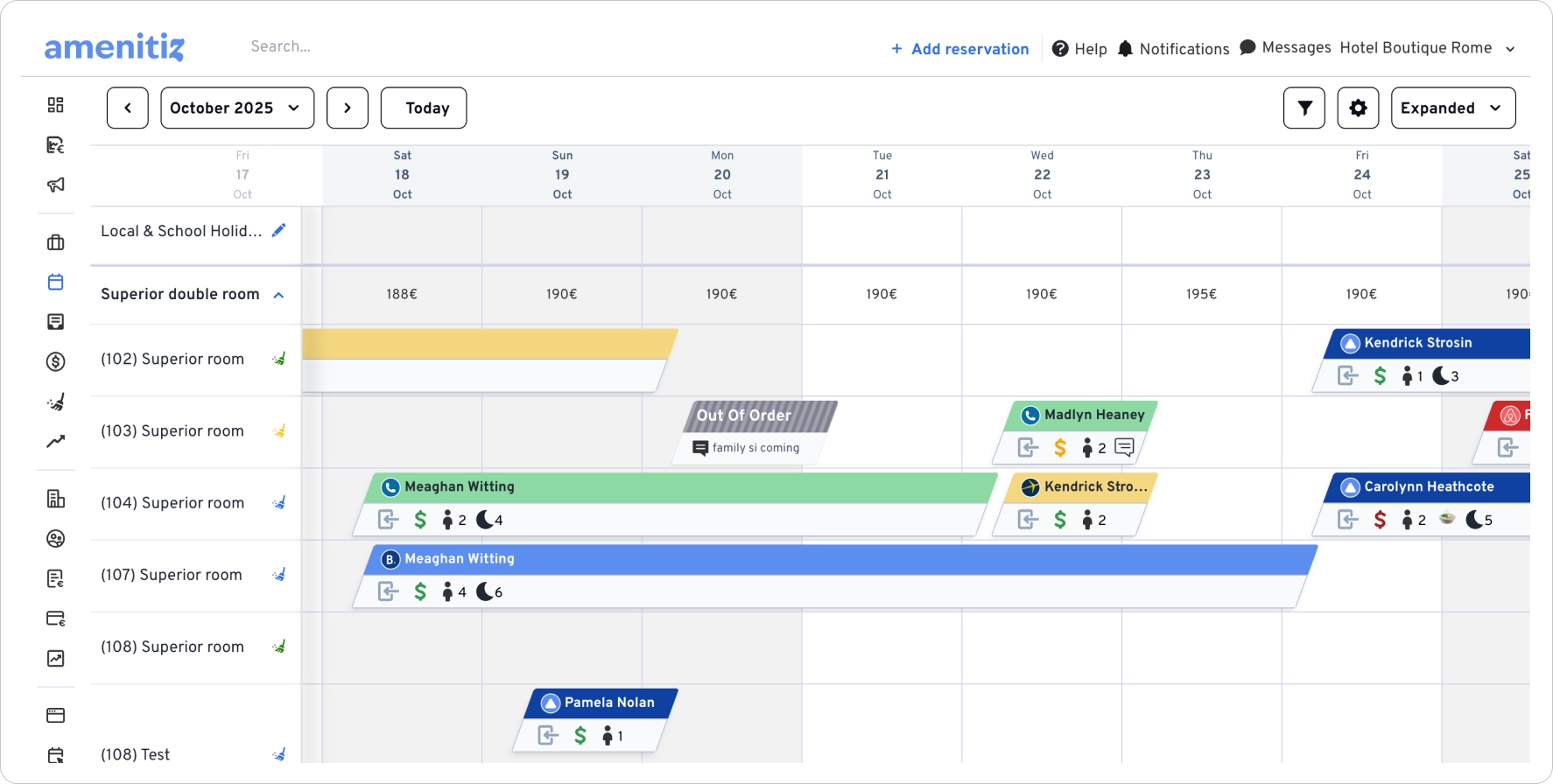
Amenitiz stands out as the most comprehensive solution specifically designed for independent hotels with 3-30 rooms across Europe. What sets Amenitiz apart is its true all-in-one approach: you get a PMS, channel manager, booking engine, payment gateway, and website builder in a single platform.
Key Features:
- Unified dashboard managing all aspects of hotel operations
- Direct booking engine with 0% commission
- Two-way synchronization with 100+ OTAs including Booking.com, Expedia, and Airbnb
- Integrated payment processing with competitive rates
- Mobile app for iOS and Android
- Multilingual support across five European languages
- Automated email sequences for guest communication
Pricing: Starting at €42/month with transparent pricing and no hidden fees
Best For: Independent hotels, bed & breakfasts, boutique properties, and vacation rentals in Spain, France, Italy, Portugal, and the UK
Why It's #1: Amenitiz eliminates the complexity and cost of managing multiple software subscriptions. The platform is built by hoteliers for hoteliers, with an intuitive interface that requires minimal training. Plus, their customer support team understands the unique challenges of independent properties. Request a demo to see how Amenitiz can transform your hotel operations.
2. Cloudbeds: Best for Multi-Property Management
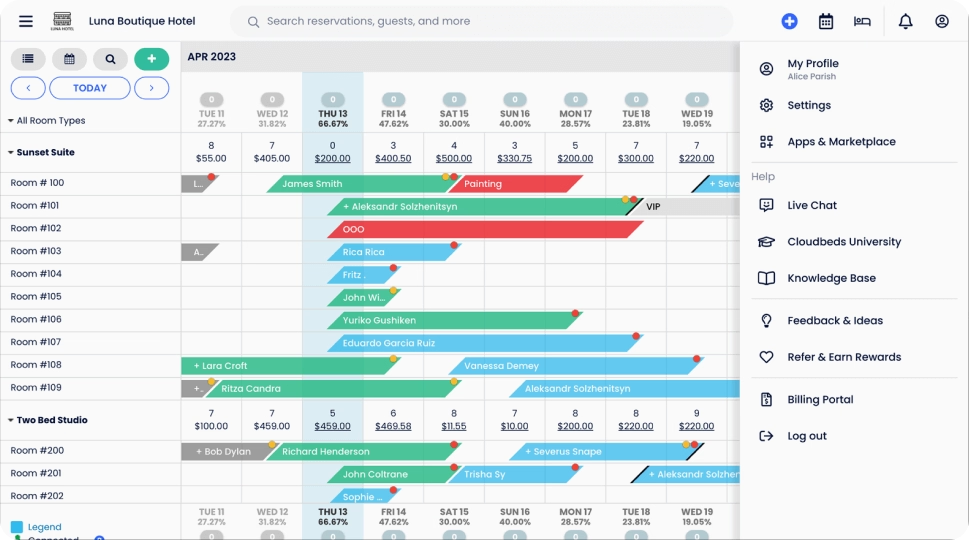
Cloudbeds offers a robust platform that scales well for small hotel groups managing multiple properties. Their marketplace features over 500 integrations, making it one of the most flexible solutions available.
Key Features:
- Multi-property management dashboard
- Extensive integration marketplace
- Built-in guest relationship management
- Revenue management tools
- Contactless check-in options
Pricing: Custom pricing starting around €180-320/month per property
Best For: Hotel groups with 3-10 properties, larger independent hotels (30+ rooms)
Considerations: While feature-rich, Cloudbeds can feel overwhelming for single-property owners and comes at a higher price point than alternatives like Amenitiz.
3. Mews: Best for Tech-Forward Properties
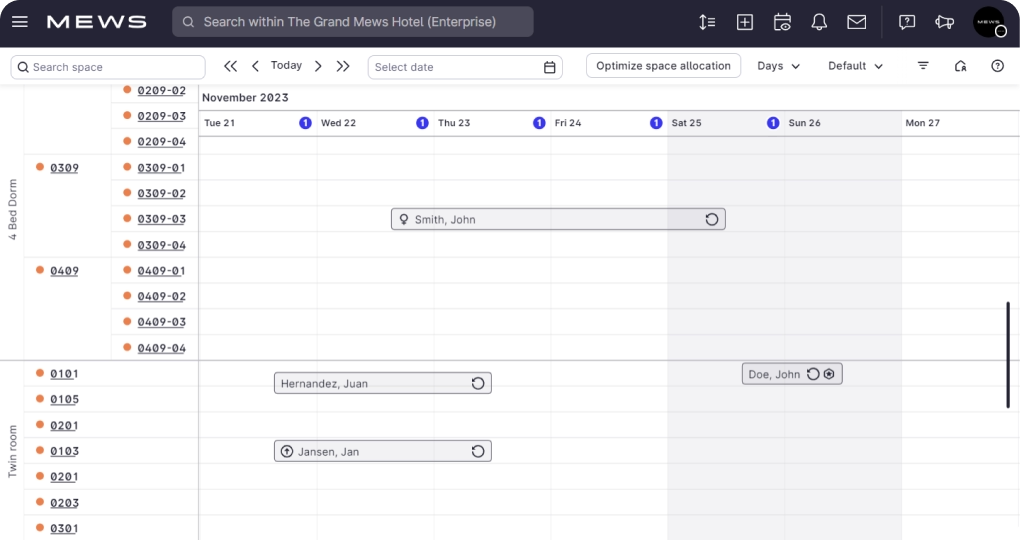
Mews has gained popularity among design-conscious hoteliers who want cutting-edge technology. Their platform emphasizes automation and guest experience, with features like mobile check-in and digital compendiums.
Key Features:
- Modern, intuitive interface
- Advanced automation capabilities
- Strong API for custom integrations
- Contactless guest journey
- Integrated payment processing
Pricing: Mews pricing generally starts at around €85/month ($100/month), with costs often scaling based on a per-room, per-month model, typically ranging from $8 to $15 per room depending on modules and contract terms.
Best For: Boutique hotels, design hotels, and tech-savvy independent properties
Considerations: Mews focuses heavily on the guest experience but may lack some traditional operational features that practical hoteliers need daily.
4. Little Hotelier: Best for First-Time PMS Users

As part of the SiteMinder family, Little Hotelier targets small properties transitioning from manual systems to their first PMS. The platform prioritizes simplicity over advanced features.
Key Features:
- Simple, easy-to-learn interface
- Essential PMS functions without overwhelming options
- Integrated with SiteMinder's channel manager
- Basic reporting and analytics
- Mobile-responsive design
Pricing: From approximately €29-€200+/month
Best For: Small B&Bs, guesthouses, and hotels making their first move to digital
Considerations: While beginner-friendly, you may outgrow Little Hotelier's limited feature set as your property scales.
5. SiteMinder: Best Channel Management Focus
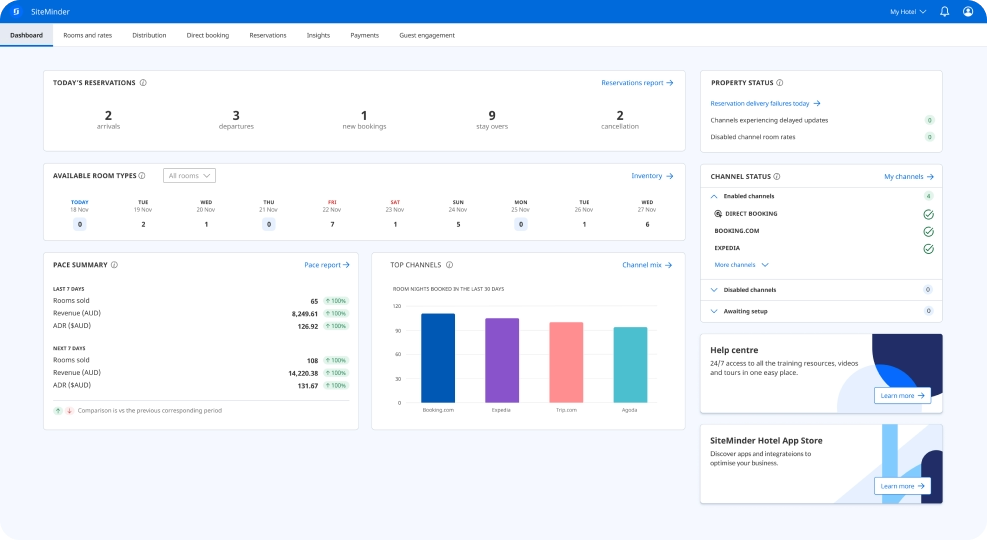
SiteMinder built its reputation primarily as a channel manager but now offers PMS capabilities through partnerships and acquisitions. Their strength lies in distribution reach.
Key Features:
- Connections to 400+ channels worldwide
- Robust rate and availability management
- Demand Plus booking engine
- GDS connectivity for corporate bookings
- Real-time synchronization
Pricing: SiteMinder pricing typically starts around €65–€75 per month for entry-level channel management, with higher-tier plans like SiteMinder Plus costing approximately €95+ per month for added booking engine and website features. Prices vary based on property size, room count, and chosen features, with custom, tailored quotes available for larger operations.
Best For: Properties heavily reliant on OTA distribution, hotels seeking GDS access
Considerations: SiteMinder's PMS capabilities, unlike Amenitiz's, are less developed than dedicated PMS platforms, often requiring additional integrations.
6. eviivo: Best for Vacation Rentals and B&Bs
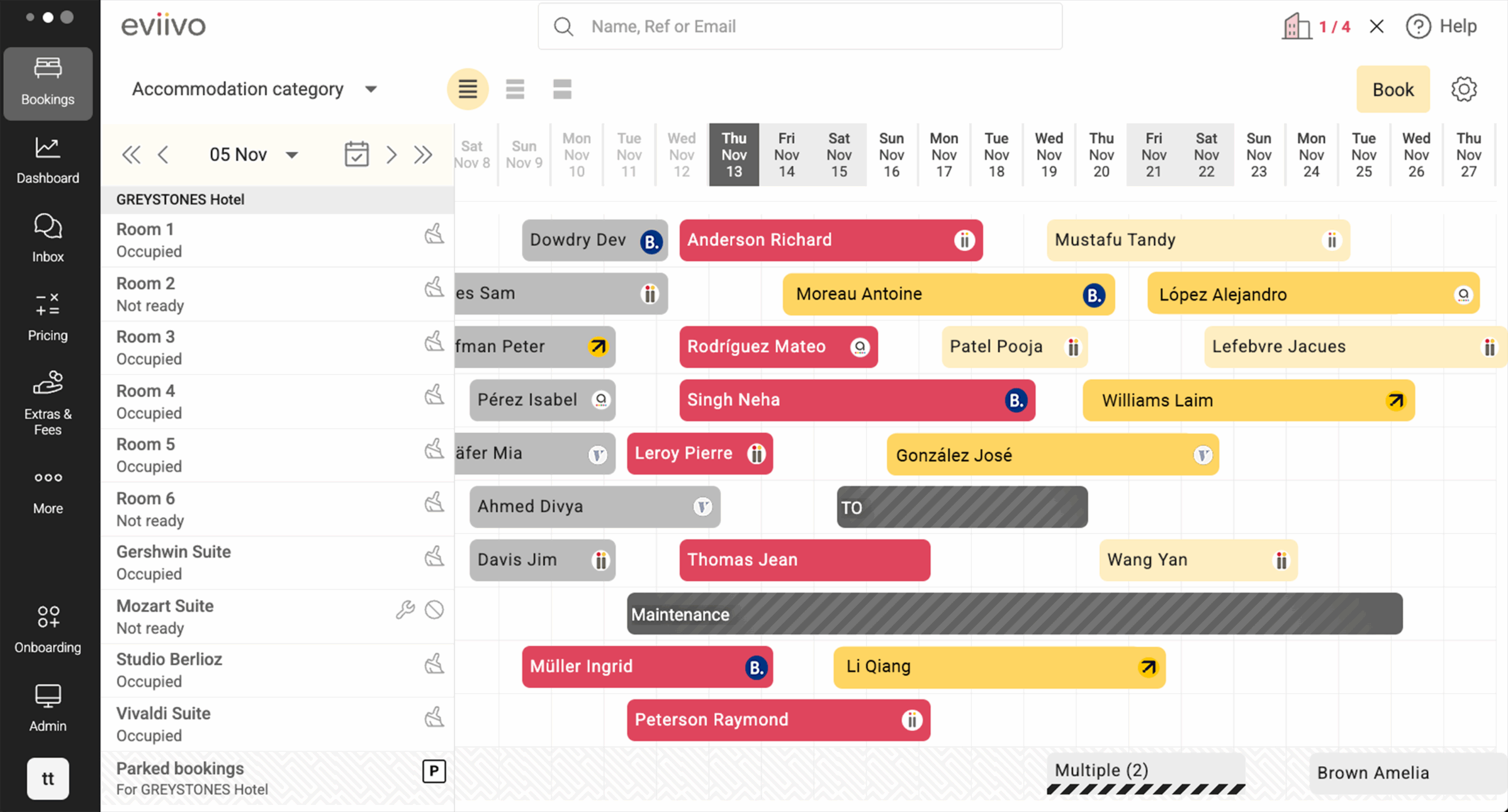
eviivo specializes in serving the vacation rental and B&B market with features tailored to these property types. They understand the unique needs of smaller accommodation providers.
Key Features:
- Vacation rental-specific workflows
- Owner portal for rental management
- Website builder included
- Channel management for major OTAs
- Guest communication automation
Pricing: eviivo pricing starts around €23-40/month for single properties and €109–€143+ per month for multi-property setups. Costs are tailored to inventory capacity and selected features, with additional per-room fees for modules like Payment or Guest Manager. Volume pricing is available for over 25 rooms.
Best For: Vacation rentals, B&Bs, and small guesthouses
Considerations: Feature set may be too basic for properties with restaurant/spa facilities or complex operational needs.
7. Smoobu: Best for Airbnb-Focused Properties

Smoobu gained traction among property managers heavily invested in the Airbnb ecosystem. Their platform is optimized for vacation rental distribution and guest messaging.
Key Features:
- Deep Airbnb integration
- Multi-calendar synchronization
- Automated guest messaging
- Owner reporting
- Website booking widget
Pricing: Starting around €23-44/month.
Best For: Airbnb hosts, vacation rental managers, short-term rental operators.
Considerations: Limited traditional hotel features; better suited for vacation rentals than hotels with front desks.
8. Oracle Opera Cloud: Best for Large Hotels and Chains
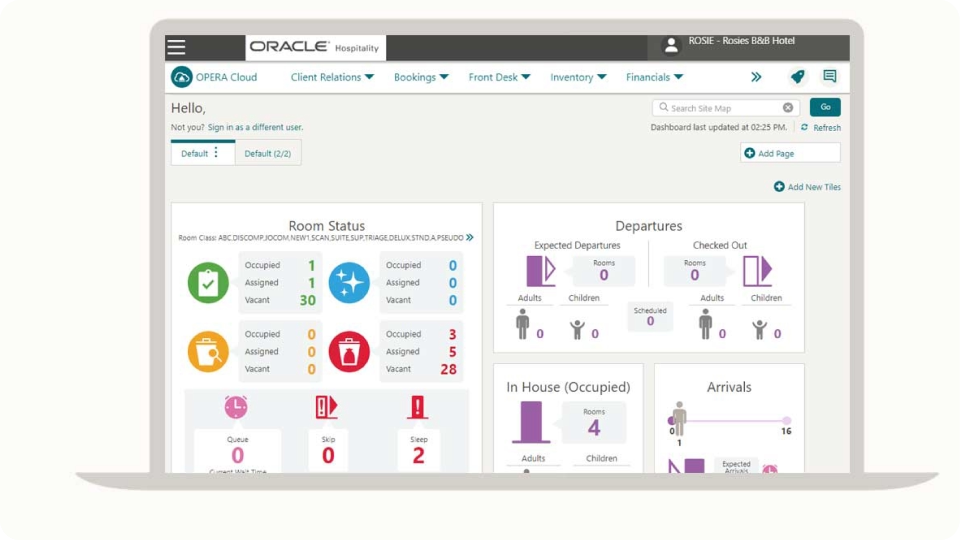
Oracle's Opera Cloud represents the enterprise end of the PMS spectrum. It's the system of choice for major hotel chains and large properties requiring extensive customization.
Key Features:
- Comprehensive feature set covering all hotel operations
- Scalable from 30 to 3,000+ rooms
- Advanced revenue management
- Extensive reporting capabilities
- Global support infrastructure
Pricing: Custom enterprise pricing (typically €5,000+ annually)
Best For: Large hotels (100+ rooms), hotel chains, resort properties
Considerations: Complexity and cost make Oracle unsuitable for independent hotels under 50 rooms.
9. Protel: Best for European Market

Protel is a German-based PMS popular across Central Europe. The system offers strong functionality for properties needing deep integration with European distribution channels and payment systems.
Key Features:
- European market specialization
- GDPR compliance built-in
- Multi-property capabilities
- Integration with European OTAs
- Revenue management tools
Pricing: Custom pricing based on property size
Best For: Mid-size European hotels, properties with complex group booking needs
Considerations: User interface feels dated compared to modern cloud-native alternatives.
10. RMS Cloud: Best for Flexibility and Customization
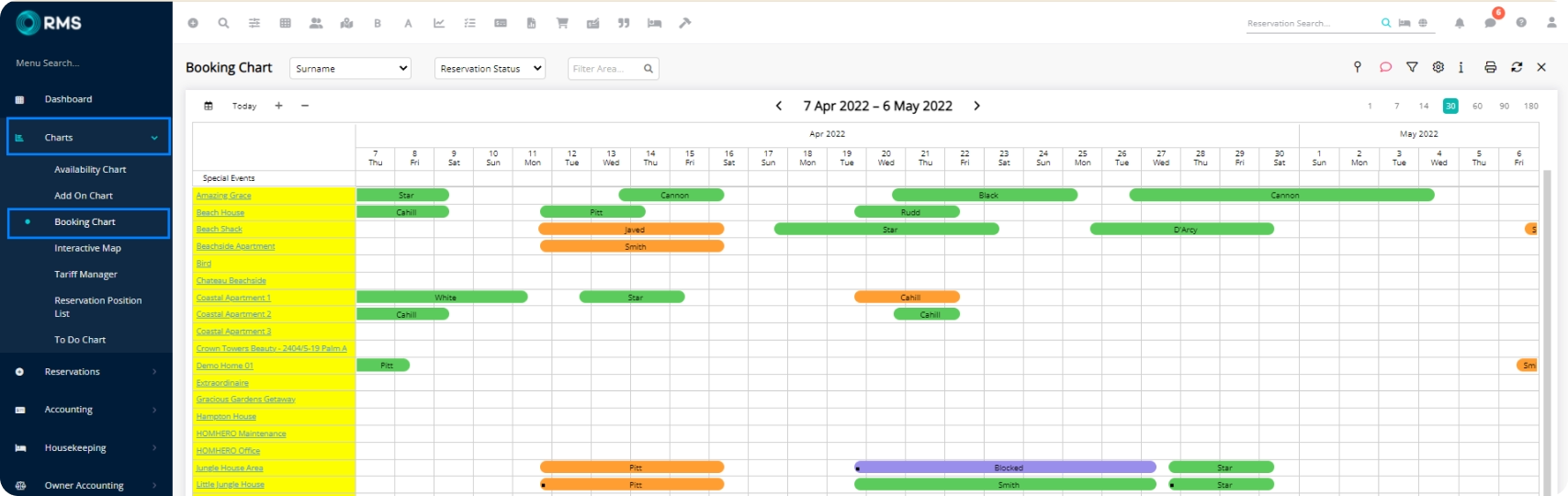
RMS Cloud offers extensive customization options, allowing properties to configure the system to match their specific operational workflows. The Australian company has expanded globally with a strong presence in Asia-Pacific and Europe.
Key Features:
- Highly customizable workflows
- Strong conference and events management
- Flexible reporting engine
- Mobile staff app
- Integration marketplace
Pricing: Generally starts at €47,5/month, but it varies depending on number of rooms, property type and specific features needed.
Best For: Properties with unique operational requirements, conference hotels
Considerations: Customization flexibility comes with complexity, setup and training take longer than plug-and-play alternatives.
How to Choose the Right PMS for Your Hotel
Selecting a hotel property management system is one of the most important technology decisions you'll make. Here's a systematic approach to finding your perfect match.
Assess Your Property's Specific Needs
Start by documenting your hotel's requirements:
- Property size: How many rooms do you manage?
- Property type: Traditional hotel, B&B, vacation rental, or boutique?
- Geographic market: Which countries/languages do you need support for?
- Distribution strategy: Do you rely heavily on OTAs or direct bookings?
- Budget: What can you realistically afford monthly?
- Technical expertise: Do you have IT staff or need a simple plug-and-play solution?
Compare Key Factors
When evaluating options, compare these critical factors:
Ease of Use: Can your staff learn the system quickly without extensive training?
Integration Capabilities: Does it connect with your existing tools (accounting software, point-of-sale, etc.)?
Pricing Transparency: Are all costs clearly outlined, or are there hidden fees?
Customer Support: What support channels are available, and in what languages?
Scalability: Can the system grow with your property?
Mobile Access: Can you manage operations from your smartphone?
For a deeper understanding of PMS capabilities, review our ultimate guide to property management software.
Request Demos and Trial Periods
Never commit to a PMS without testing it first. Most vendors offer free demos or trial periods. During your evaluation:
- Test the system with real scenarios from your property
- Involve your front desk staff in the evaluation
- Check mobile functionality on actual devices
- Test customer support responsiveness
- Review documentation and training resources
Book a free Amenitiz demo to see how an all-in-one solution simplifies hotel operations.
The Future of Hotel PMS Technology
The hotel technology landscape continues evolving rapidly. Here's what's shaping the future of property management systems in 2026 and beyond.
AI and Automation
Artificial intelligence is transforming PMS capabilities. Modern systems now offer:
- Predictive pricing based on demand forecasting
- Automated guest communication with natural language processing
- Smart housekeeping scheduling based on occupancy patterns
- Chatbots handling common guest inquiries
Contactless Technology
Post-pandemic guest preferences have permanently shifted toward contactless solutions:
- Mobile check-in and check-out
- Digital room keys
- In-app service requests
- Contactless payments
Sustainability Tracking
Environmental consciousness is driving new PMS features:
- Energy consumption monitoring
- Carbon footprint reporting
- Waste tracking and reduction tools
- Sustainability certifications integration
Final Thoughts
Choosing the best hotel property management system in 2026 depends entirely on your property's unique needs, size, and operational complexity. For independent hotels seeking an affordable, comprehensive solution, Amenitiz delivers unmatched value with its all-in-one platform designed specifically for properties with 3-30 rooms.
Larger properties or hotel groups might find Cloudbeds or Mews more suitable, while those focused primarily on vacation rentals should consider eviivo or Smoobu. Whatever your choice, prioritize systems that offer transparency, excellent support, and room to grow.
The right PMS doesn't just manage your property: it transforms how you operate, increases revenue, and gives you time back to focus on what matters most: creating memorable guest experiences.
Ready to modernize your hotel operations? Explore Amenitiz's PMS solution and discover why thousands of independent hoteliers across Europe trust us to power their properties.